Why Low Temperature Solder Paste Matters
As electronic devices become smaller, thinner, and more complex, manufacturers face increasing challenges during the soldering process. Traditional lead-free solder pastes typically require reflow temperatures above 240°C, which can introduce thermal stress, component warpage, and PCB damage.
Low temperature solder paste has emerged as an effective solution for heat-sensitive electronic assemblies. By reducing reflow temperatures, manufacturers can improve product reliability, reduce energy consumption, and protect sensitive components during production.
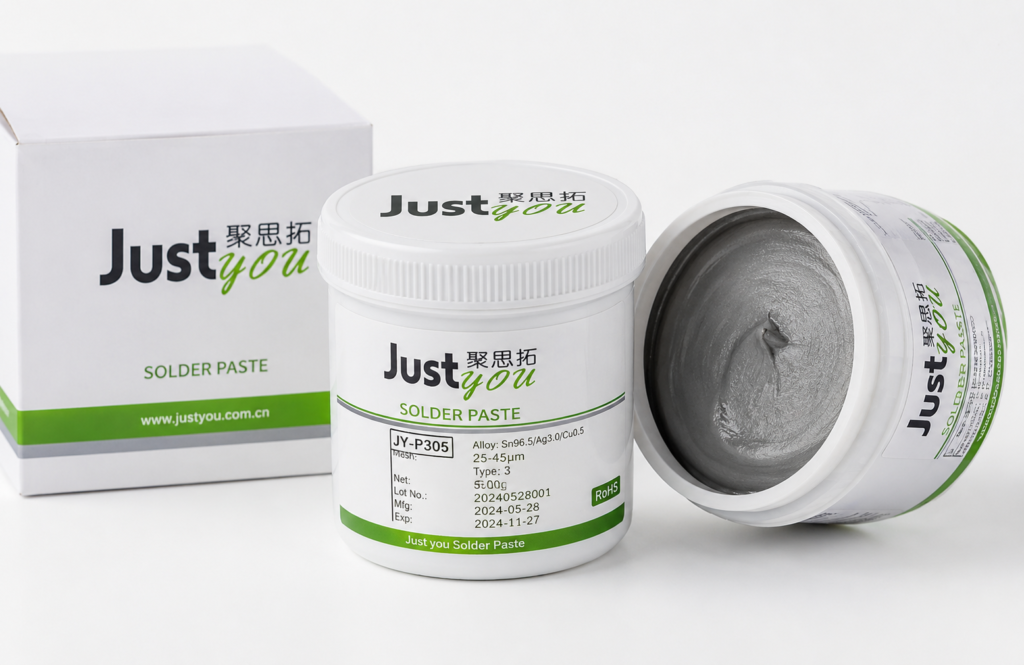
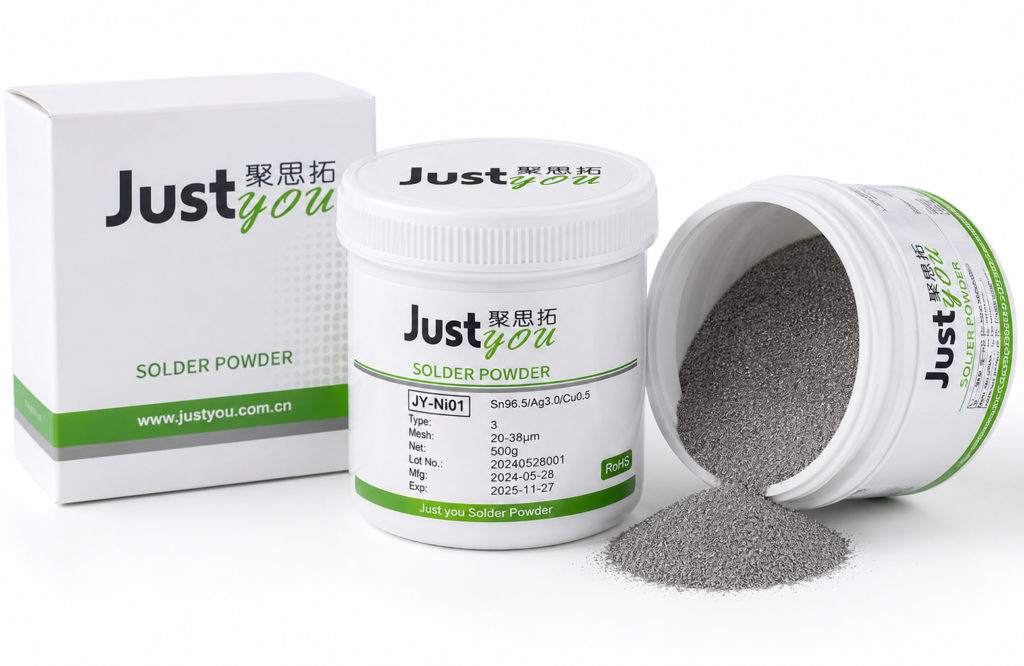
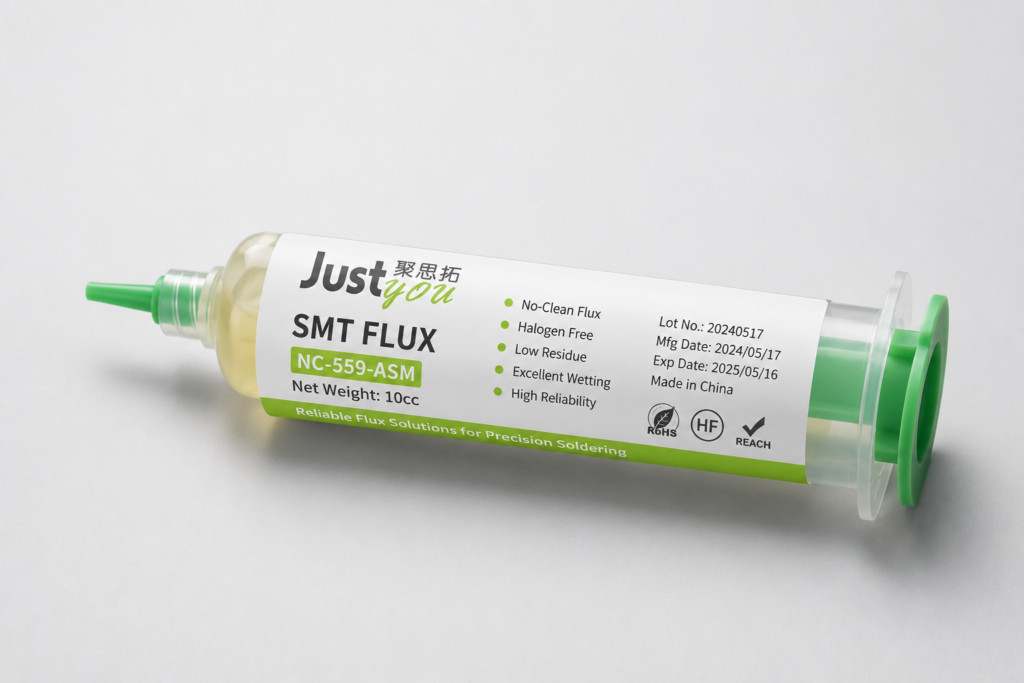
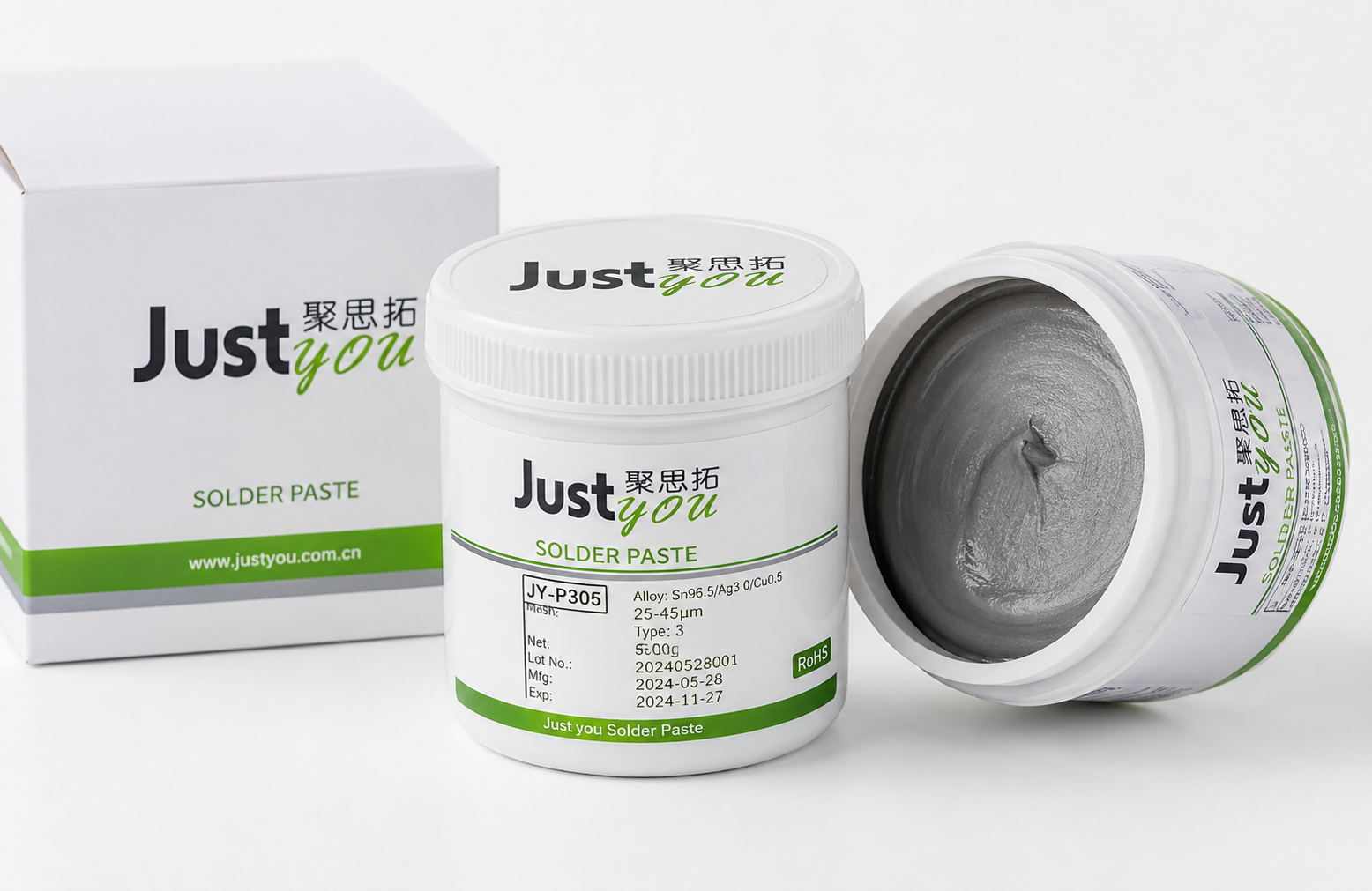
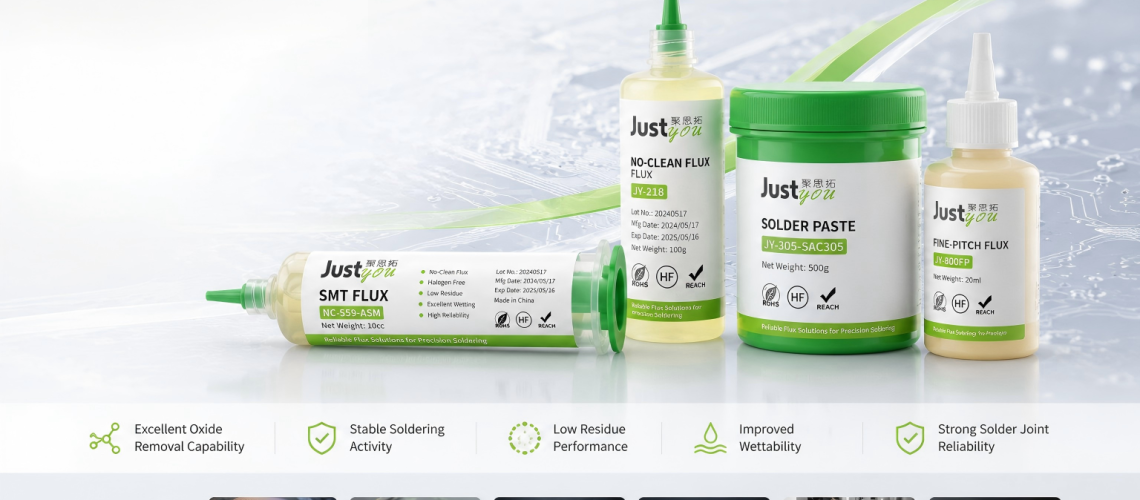
At JustYou Electronics Materials, we provide high-performance low temperature solder paste solutions designed for advanced SMT assembly, wearable electronics, automotive applications, and precision electronic manufacturing. Learn more about our solder paste solutions at https://ejustyou.com/products/.
Common Challenges in Electronic Assembly
Component Warpage
Many modern electronic components are becoming thinner and lighter. During high-temperature reflow, packages such as BGA, CSP, and QFN may experience warpage, leading to poor solder joint formation and assembly defects.
Low temperature solder paste significantly reduces thermal exposure, helping maintain component flatness and improving soldering consistency.
Thermal Stress
Large temperature differences during reflow can generate thermal stress between components and PCBs. Over time, this stress can contribute to reliability issues and premature product failure.
Using low temperature solder paste minimizes temperature-related stress and helps improve long-term product performance.
PCB Damage
Flexible PCBs, multilayer boards, and advanced substrates are increasingly used in modern electronics. Excessive soldering temperatures may damage sensitive materials, causing delamination or deformation.
Lower reflow temperatures help preserve PCB integrity and reduce manufacturing risks.
Benefits of Low Temperature Solder Paste
Lower Reflow Temperature
One of the primary advantages of low temperature solder paste is its ability to achieve reliable solder joints at significantly lower temperatures.
Typical peak reflow temperatures range from 170°C to 200°C, compared to conventional lead-free solder pastes that often require temperatures above 240°C.
Reduced Energy Consumption
Lower reflow temperatures translate directly into lower energy costs.
Benefits include:
- Reduced electricity consumption
- Lower production costs
- Improved manufacturing sustainability
- Reduced carbon emissions
For high-volume SMT production facilities, these savings can be substantial.
Improved Yield Rate
Lower thermal stress and reduced component damage contribute to higher manufacturing yields.
Manufacturers can benefit from:
- Fewer soldering defects
- Reduced rework
- Improved first-pass yield
- Greater process stability
Typical Applications
LED Lighting
LED assemblies often contain temperature-sensitive components and substrates. Low temperature solder paste helps maintain optical performance while improving production efficiency.
Wearable Devices
Smartwatches, fitness trackers, and wearable medical devices require compact and lightweight designs. Low temperature soldering protects delicate components and improves assembly reliability.
Flexible Electronics
Flexible circuits and foldable electronic products are particularly sensitive to heat. Low temperature solder paste minimizes substrate distortion and maintains product performance.
Medical Electronics
Medical devices require exceptional reliability and consistent manufacturing quality. Low temperature solder paste supports precise assembly while protecting sensitive electronic components.
Explore additional industry applications at:
https://ejustyou.com/industry-applications/
Available Alloy Systems
SnBi58
SnBi58 (Tin-Bismuth) is one of the most widely used low temperature solder alloys. It offers a melting point around 138°C and excellent soldering performance.
SnBiAg
Adding silver improves mechanical strength and enhances solder joint reliability, making SnBiAg suitable for more demanding applications.
Customized Formulations
JustYou Electronics Materials can develop customized alloy formulations tailored to specific manufacturing requirements, reliability targets, and assembly processes.
How to Choose the Right Low Temperature Solder Paste
When selecting a low temperature solder paste, manufacturers should consider:
- Component temperature sensitivity
- PCB material specifications
- Reliability requirements
- Production line capabilities
- Regulatory compliance standards
Working with an experienced supplier can help optimize material selection and improve overall manufacturing performance.
Why Choose JustYou Electronics Materials?
We offer:
- Advanced low temperature solder paste formulations
- Consistent product quality
- Strict quality control procedures
- Global export experience
- Technical engineering support
- OEM and private label services
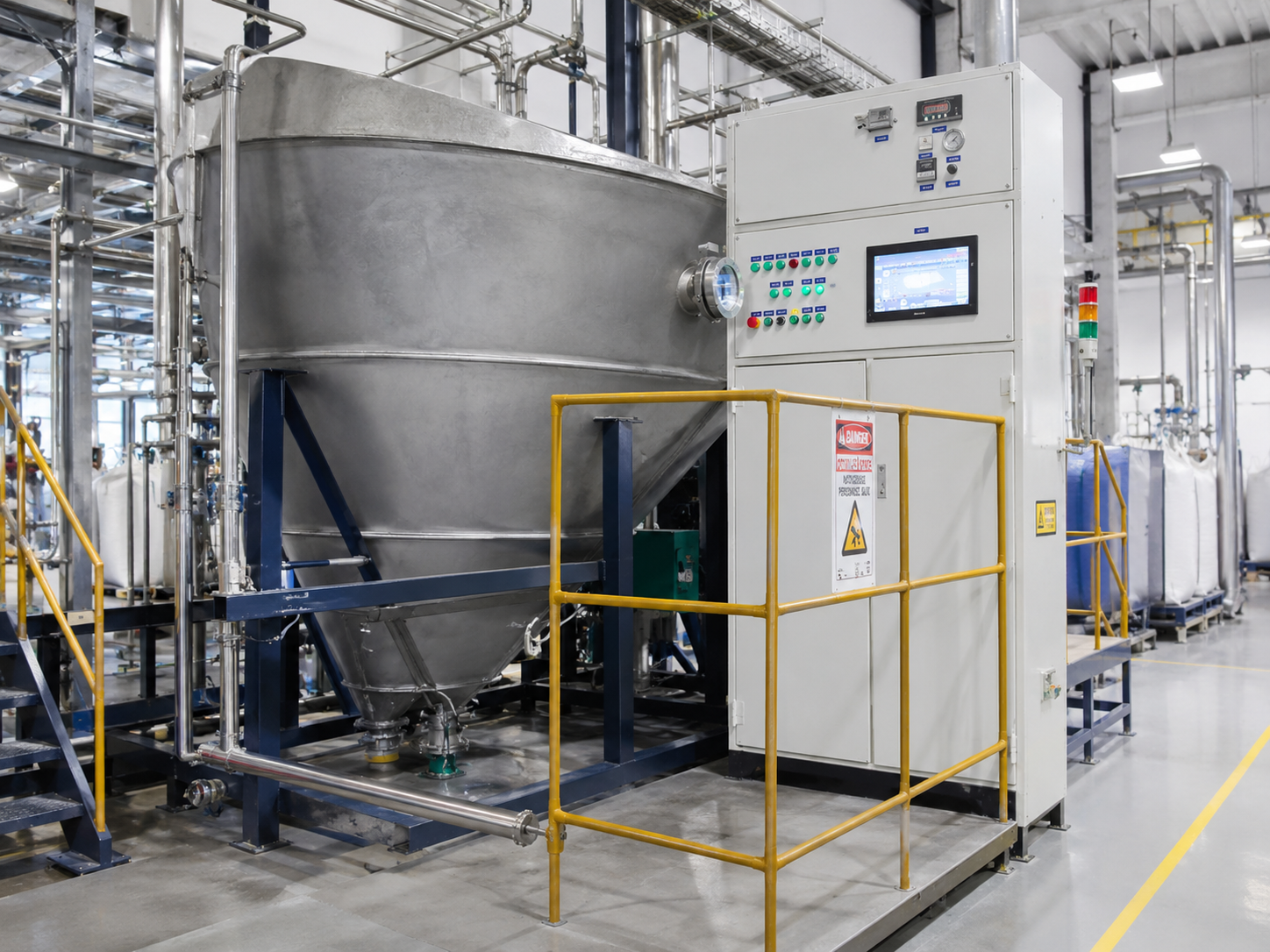
Our products are trusted by electronics manufacturers worldwide for demanding SMT assembly applications.
Request Technical Support
Looking for reliable low temperature solder paste solutions?
Visit:
Products:
https://ejustyou.com/products/
Contact Us:
https://ejustyou.com/contact-us/
Contact our engineering team today for technical consultation, free samples, and factory-direct pricing.